
Young man with a toothache and tooth infection holding his jaw in pain

Signs of a Tooth Infection and When to Seek Emergency Dental Care

Tooth infections can develop quietly, offering only subtle hints before turning into serious dental emergencies. Recognizing the early warning signs and contacting your dentist promptly can mean the difference between a simple treatment and a potentially dangerous situation. As dental professionals, our goal is to empower you with the knowledge you need to protect your oral health. Let’s get started!

Early Signs of Tooth Infections

A tooth infection starts when bacteria enter through a cavity, crack, or failing dental work. Once they reach the pulp — the inner layer containing nerves and blood vessels — the infection can develop quickly.

Pain is usually the earliest warning sign. You might feel a dull, lingering ache or a sharp, sudden pain when you bite down. Many people also notice sensitivity to hot or cold, which can trigger quick, shooting discomfort.

Swelling is another common symptom. As your immune system responds, you may see slight puffiness in your gums or face, and the area may feel tender. Bad breath or a foul taste can point to bacterial buildup. If the tooth begins to darken, it may indicate that the pulp is damaged or dying.

If you experience any of these symptoms, contact your dentist. While mild discomfort doesn’t always require immediate care, early evaluation helps keep the infection from progressing.

Red Flag Symptoms That Require Immediate Emergency Care

Never ignore severe symptoms that indicate a tooth infection has progressed beyond the early stages and now threatens your overall health. As dental professionals, we cannot stress the seriousness of these symptoms enough.

Dental pain accompanied by a fever is a sign that the infection has spread beyond the tooth. If you develop a fever of over 100.4°F, seek emergency care.

Difficulty swallowing or breathing is always an emergency. When an infection spreads to the soft tissues of your neck and throat, it can cause swelling that restricts your airway. This condition, known as Ludwig angina, can become life-threatening within hours.

Inflammation can spread beyond the immediate area surrounding the tooth as an infection spreads. If swelling affects your eye, making it difficult to open, or extends down your neck, seek emergency medical care immediately.

Severe pain that comes on quickly and doesn’t respond to over-the-counter pain medications could be from an abscess. When an abscess forms quickly, pressure builds in the space around your tooth root, causing excruciating pain that intensifies when you lie down.

When to Seek Urgent vs. Emergency Care

Head to the emergency room immediately if you experience difficulty breathing, swallowing, or opening your mouth. A high fever, rapid facial swelling, or signs of the infection spreading beyond the affected tooth also warrant emergency room visits. While emergency room physicians cannot perform dental treatments, they will provide appropriate antibiotics and pain management to keep you safe and comfortable until you see a dentist.

Contact your dentist to request an urgent appointment if you have severe tooth pain, a visible abscess, or moderate localized swelling near the affected tooth. Most dental offices reserve time slots for emergencies and can often see patients the same day. Your dentist can drain abscesses, prescribe antibiotics and pain medications, and treat the underlying cause of your symptoms.

Unfortunately, oral health problems don’t always pop up during business hours, and seeking weekend or after-hours care can be tricky (and expensive). If you can manage your symptoms with over-the-counter pain medication and the swelling remains localized, it’s usually safe to wait until regular office hours. However, you should always seek emergency care if your symptoms worsen rapidly or if you have any reason to think your health is in jeopardy. In these situations, it is always best to err on the side of caution and seek emergency care.

What to Expect During Treatment for a Tooth Infection

Man in a dental chair wincing from pain from a tooth infection.

When treating a tooth infection, dentists focus on eliminating the immediate threat while preserving the tooth whenever possible. Your dentist will examine the area, assess the severity of the infection, and may take X-rays to determine how far the problem has progressed.

In urgent situations, your dentist or an emergency room physician may prescribe strong pain relievers and start antibiotics to help control the infection. If an abscess is present, a dental professional may drain it right away to relieve pressure and remove infected material.

The right treatment depends on the infection’s severity and the condition of the tooth. A root canal can often save the tooth by removing the infected pulp while keeping the outer structure intact. However, if the tooth is severely damaged or the infection is extensive, extraction may be necessary to stop the infection from spreading and to ease the pain.

After emergency treatment, follow-up care is essential. Be sure to take antibiotics exactly as prescribed, even if you start feeling better.

Complications of Untreated Tooth Infections

The consequences of ignoring a tooth infection go way beyond a toothache. Thanks to modern medicine, dying from a tooth infection is extremely rare, but serious complications can still occur without proper treatment.

Sepsis is the most serious potential complication. This life-threatening condition occurs when your immune system responds improperly to an infection. It causes widespread inflammation and can lead to organ failure and death. While developing sepsis from oral infections is rare, it requires immediate hospitalization and intensive treatment.

Brain abscesses, while also uncommon, can develop when an infection travels through blood vessels or spreads through facial planes. They cause severe headaches, confusion, and neurological symptoms requiring immediate neurosurgical intervention.

Bone infections in the jaw, called osteomyelitis, can develop from untreated dental abscesses. This condition causes severe pain and facial numbness and can lead to permanent jaw damage requiring extensive reconstruction.

Cardiovascular complications, including endocarditis (an infection in the heart’s lining), can result from bacteria entering the bloodstream through infected teeth. People with certain heart conditions face particularly high risks from dental infections.

Taking Immediate Action at Home

While seeking professional care is vital, you can do a few things at home to manage your symptoms until you receive treatment. These temporary solutions never replace professional care but can provide relief and buy time.

Here are a few things to do at home while awaiting professional dental care:

  • Saltwater rinses: Carefully rinse several times daily with a solution of half a teaspoon of salt in eight ounces of water to reduce bacterial load and cleanse the infected area.
  • Cold compresses: Apply ice wrapped in a thin cloth to the outside of your face for 15-20 minutes at a time to control swelling and ease pain.
  • Over-the-counter pain medications: Take ibuprofen according to the directions on the package. It reduces pain and inflammation more effectively than acetaminophen for dental issues.
  • Dietary modifications: Avoid extremely hot or cold foods, chew on the unaffected side, and stick to soft food.
  • Proper positioning: Keep your head elevated when lying down to minimize throbbing.

Protecting Your Oral Health and Overall Wellbeing

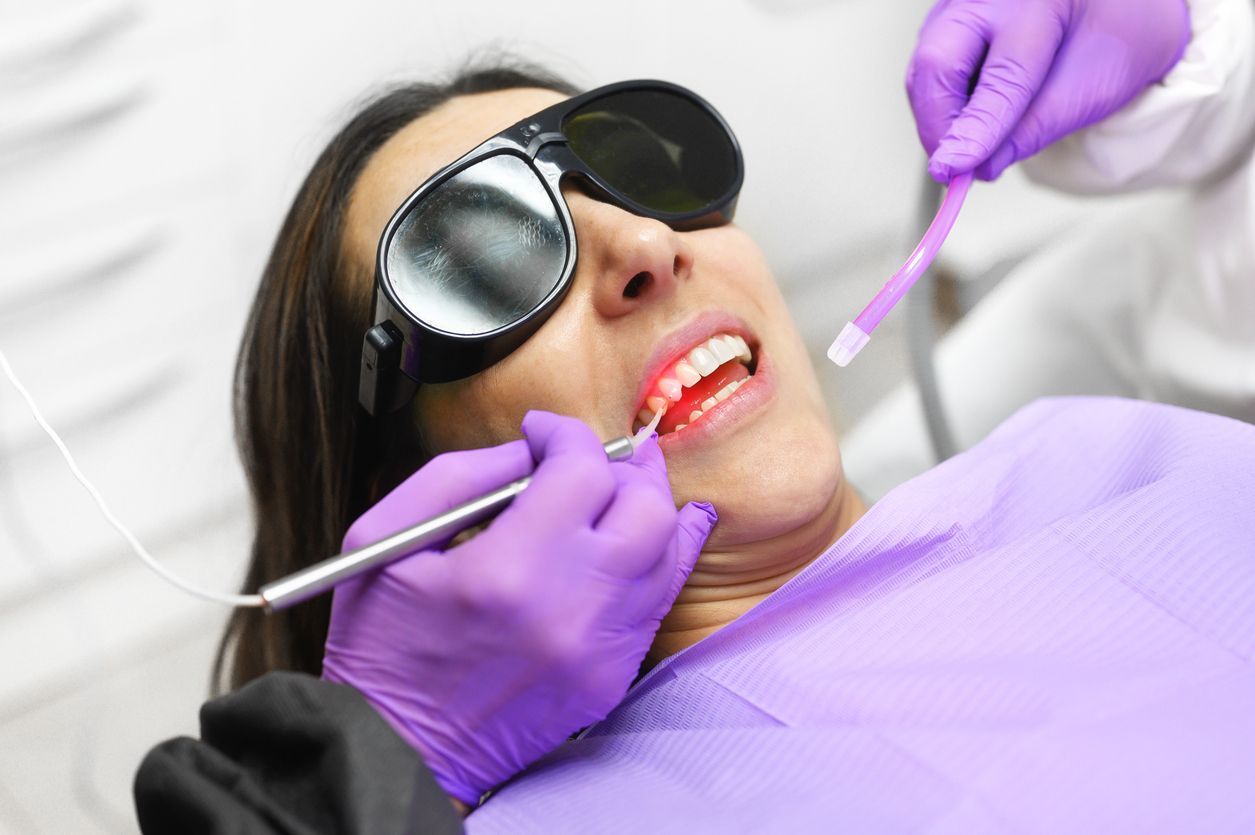
Woman in a dental chair receiving treatment for tooth infection.

Understanding when a tooth infection becomes a dental emergency helps you make informed decisions about your health. The progression from mild discomfort to life-threatening complications can happen quickly, so a prompt response is critical.

Trust your instincts. If something feels seriously wrong, seek care immediately rather than waiting to see if symptoms improve. Early intervention almost always results in simpler, less expensive treatment and better outcomes.

Taking tooth infections seriously and seeking appropriate care protects your smile and entire body from serious complications. If you think you might have a tooth infection, schedule an appointment with your dentist or seek emergency care right away.

If you have questions and you'd like to reach out to us, you can call us directly at (347) 802-8371, or you can email us at [email protected].