

What Happens During a Teeth Cleaning?

Shawn Kimmel • December 20, 2023

Maintaining good oral hygiene for a healthy mouth and beautiful smile means visiting your dentist twice annually for a cleaning. For various reasons, ranging from lack of time to lack of insurance, some individuals never quite get into the routine of regular dental cleanings. Once they’re in a position to take control of their oral health, they often wonder, “What happens during a teeth cleaning?” This is also the question often asked of children when they’re about to see a dentist for the first time. In this article, we'll take you through the step-by-step process of a teeth cleaning, from the moment you sit in the dentist's chair to when you leave with a refreshed mouth.

Intake Process

Your teeth cleaning visit begins with completing any necessary paperwork and providing an updated medical history to your dental office. It's important that you are honest and thorough when sharing your health history, as it helps the dental team make informed decisions about your care. For example, if you are a cardiac patient who requires antibiotics after a dental cleaning, that is critical information for your dentist to have in your record. 

Physical Examination

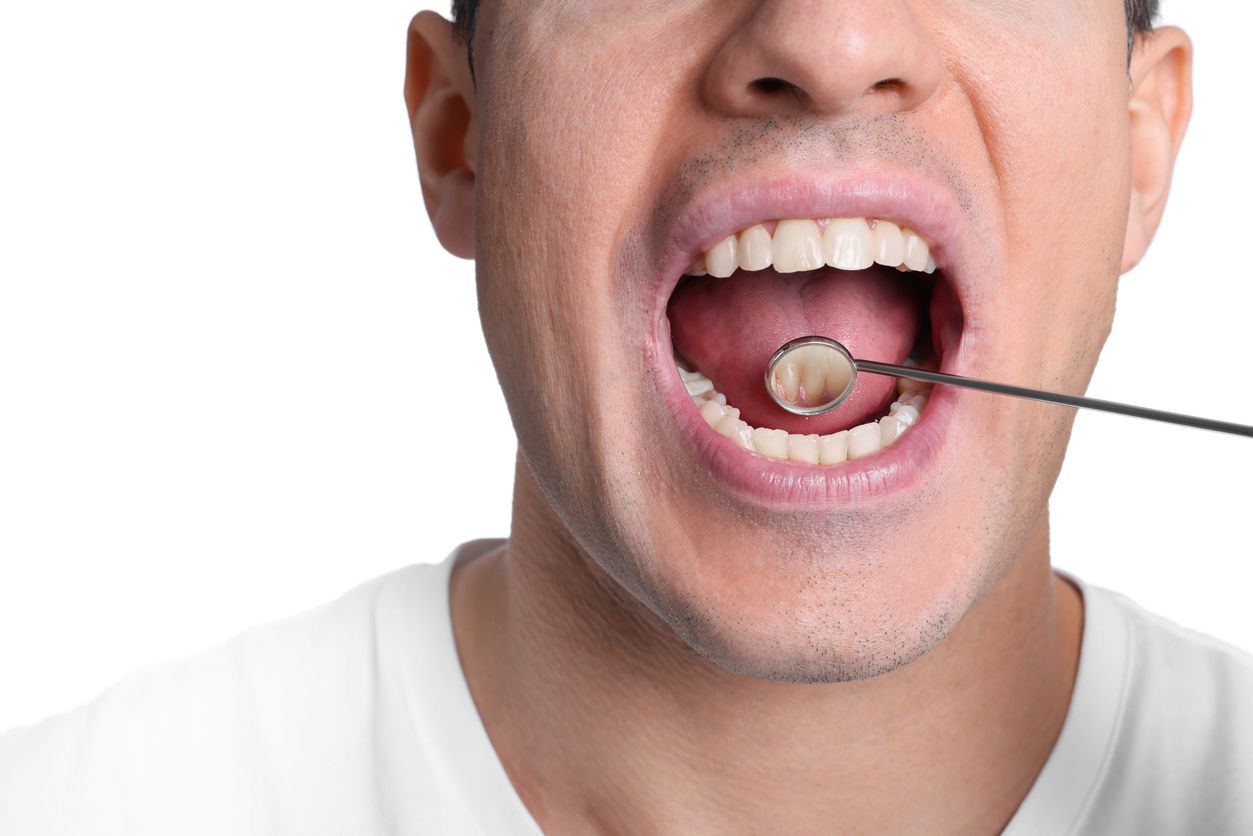
Before your cleaning begins, a dental hygienist or dentist will perform a comprehensive examination of your mouth. They will use a small mirror and a dental explorer to inspect your teeth and gums for any signs of dental or oral issues. This examination helps identify cavities, gum disease, or other potential problems that might require additional treatment.

Gum Check

Healthy gums are just as important as healthy teeth. To ensure your gums are in good condition, part of your physical examination will include checking for any signs of gum disease, recession, or inflammation. They will measure the space between your teeth and gums, known as the periodontal pockets, using a small probe. If the pockets are too deep, it may indicate gum disease and further treatment may be required.

X-rays

If it’s been a while since your last dental visit, dental X-rays will be taken to help your dentist detect any issues that aren't visible to the human eye during a visual examination. This includes cavities between teeth, problems with the jawbone, or impacted wisdom teeth. You'll have a lead apron protecting the rest of your body from the radiation, and the dental hygienist will insert the X-ray tool into your mouth in various positions to capture all your teeth.

Plaque and Tartar Removal

Once the initial examination and any X-rays are complete, the actual cleaning begins. Your dental hygienist will start by using a small, metal tool called a scaler to remove plaque and tartar buildup from the surfaces of your teeth. Plaque is a sticky, bacteria-filled film that can lead to tooth decay and gum disease if not removed regularly. Tartar, on the other hand, is a hardened plaque and can only be removed by a dental professional.

Brushing with Gritty Toothpaste

After plaque and tartar removal, your dental hygienist will use a high-powered electric toothbrush and gritty toothpaste to give your teeth a deep cleaning. This toothpaste is more abrasive than over-the-counter toothpaste used at home, polishing your teeth and removing any remaining surface stains and plaque more effectively. 

Fluoride Treatment

Fluoride is a vital mineral used to help maintain healthy teeth. After your teeth are thoroughly cleaned, your dental hygienist may apply a fluoride gel or foam to help strengthen your enamel, making it more resistant to acid and preventing cavities. You'll be asked to wait a few minutes before rinsing or eating to allow the fluoride to work.

Flossing

Even if you consistently floss at home, a trained dental hygienist will floss your teeth more effectively and thoroughly. They will use professional-grade dental floss to reach between your teeth and remove any remaining plaque and debris. This step is important in ensuring that every surface of your teeth is clean and free from potential dental issues.

Rinsing

After all the previous steps have occurred, you'll be asked to rinse your mouth to remove any remaining fluoride, toothpaste, or other debris. Your dental hygienist will provide you with a cup of water or mouthwash for this purpose, and most dental chairs are now equipped with small water spouts and sinks.

Discussion and Recommendations

If a dental hygienist performed all of the above steps, you’ll be asked to sit for a few minutes while you wait for the dentist to come evaluate your cleaning and your mouth. He or she will also discuss the results of your examination, X-rays, and the condition of your teeth and gums. With all of this information at their disposal, they will provide recommendations for any necessary treatments, such as fillings, root canals, or other dental procedures. They may also provide you with specific care recommendations, such as using a particular toothbrush, toothpaste, or mouthwash, or advise you on lifestyle changes to improve your dental health.

Scheduling Your Next Appointment

To maintain optimal oral health, schedule your next dental cleaning before you leave the office. Regular check-ups and cleanings are key to preventing dental problems and catching issues early.

A thorough teeth cleaning is an essential part of maintaining good oral health. From the initial examination to the final post-cleaning care instructions, every step in the process plays a crucial role in keeping your teeth and gums in the best condition possible. You can learn more about dental cleanings from the Cleveland Clinic, or if you have additional questions, contact us.

Share this article

Recent Posts

Two people facing each other, one pinching their nose while the other gestures with an open hand.
By Shawn Kimmel March 2, 2026
Identify 6 signs that mean you need a dental appointment. Don't wait—schedule your visit today for better oral health!
Woman smiling as a gloved hand applies a cosmetic treatment to her chin
By Shawn Kimmel January 30, 2026
Explore the differences between dental crowns & veneers. Contact us to find the best option for your smile!

Person holding cheeks with eyes closed, sitting on a couch in a dim room.
By Shawn Kimmel December 29, 2025
Explore the benefits & risks of holistic dentistry. Contact us for expert advice on your oral health today!

Man at dentist with blue bib holding cheek while speaking to clinician
By Shawn Kimmel November 20, 2025
Recognize signs of tooth infections & know when to seek emergency care. Contact us for urgent dental help!
Patient reclining in a dental chair with oxygen mask in a clinic
By Shawn Kimmel October 30, 2025
Learn how dental anxiety impacts oral health & explore effective treatments like CBT & sedation options. Contact us for assistance!

Gloved clinician checking a patient’s blood sugar with a glucometer on a finger prick
By Shawn Kimmel September 29, 2025
Explore how oral health impacts systemic diseases like heart disease & diabetes. Contact RSN Dental PC for expert care today!
Dentist examining a patient wearing sunglasses, with purple gloves and dental tools in a clinic
By Shawn Kimmel August 27, 2025
Explore holistic dentistry, linking oral health to overall wellness. Contact us for personalized care and natural treatment options.
Dentist examining a smiling patient in a bright dental clinic
By Shawn Kimmel August 27, 2025
Explore 5 reasons dentists avoid mercury fillings, focusing on health risks & eco-friendly alternatives. Contact us for more info!

Two people brushing their teeth together in a bathroom, smiling at a mirror
By Shawn Kimmel July 25, 2025
Understand bad breath causes & get 8 dentist-recommended solutions for fresher breath. Contact RSN Dental PC today!
Dental implant being placed into the upper jaw with a blue surgical guide
By Shawn Kimmel May 9, 2025
Understand if you need a bone graft after a tooth extraction. Contact RSN Dental PC for expert advice on preserving your dental health.
Show More